

When the temperature in Hong Kong drops into the teens and the wind off Victoria Harbour starts to bite, a certain kind of old Hong Konger heads to Sheung Wan or Sham Shui Po with one thing on their mind: a bowl of 蛇羹, snake soup. Silky, dark, warming from the inside out, and topped with a floating pinch of chrysanthemum petals — this is the Cantonese winter ritual few outsiders understand, and one that's slowly disappearing.
What is snake soup?
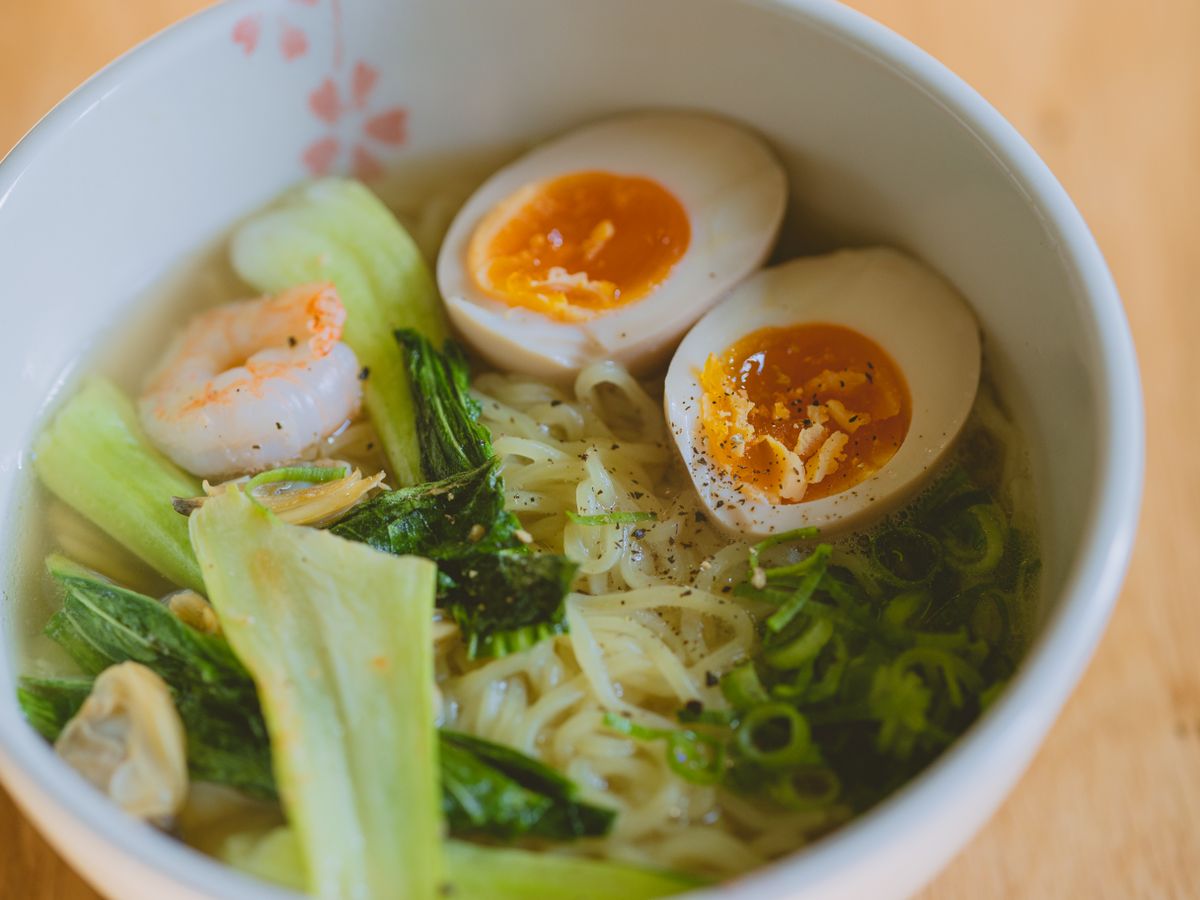
Snake soup — 蛇羹 (se4 gang1) — is a thick, glossy Cantonese stew traditionally made with the meat of at least two species of snake, simmered for hours with pork or chicken bones, dark soy, fish maw, black fungus, ginger, dried tangerine peel, and lemon leaves. The finished soup is thickened with a starch slurry to give it that distinctive silky body, then finished with fresh chrysanthemum petals and crispy rice crackers scattered on top.
The taste is not what most first-timers expect. There's no gaminess. The snake meat shreds like chicken, the broth carries a deep, herbal savour, and the chrysanthemum lifts everything with a floral note. It's one of the most elegant bowls of soup in the Cantonese canon — and one of the most misunderstood.
Why Cantonese people eat snake in winter
In traditional Chinese food theory, snake is considered a "warming" ingredient — the kind of food you eat when your body needs help fighting off cold. Older Cantonese aunties will tell you snake soup improves circulation, warms the joints, and gives you the internal fire to make it through the wet Hong Kong winter. Whether or not you subscribe to the medicinal beliefs, the soup itself really does warm you from the sternum outward — hours of simmered bones and ginger will do that.
This is why every long-standing snake soup shop hangs a sign that says 秋風起,三蛇肥 — "when the autumn wind blows, the three snakes fatten." It's the traditional signal that snake soup season has arrived.
Inside the classic snake soup shop
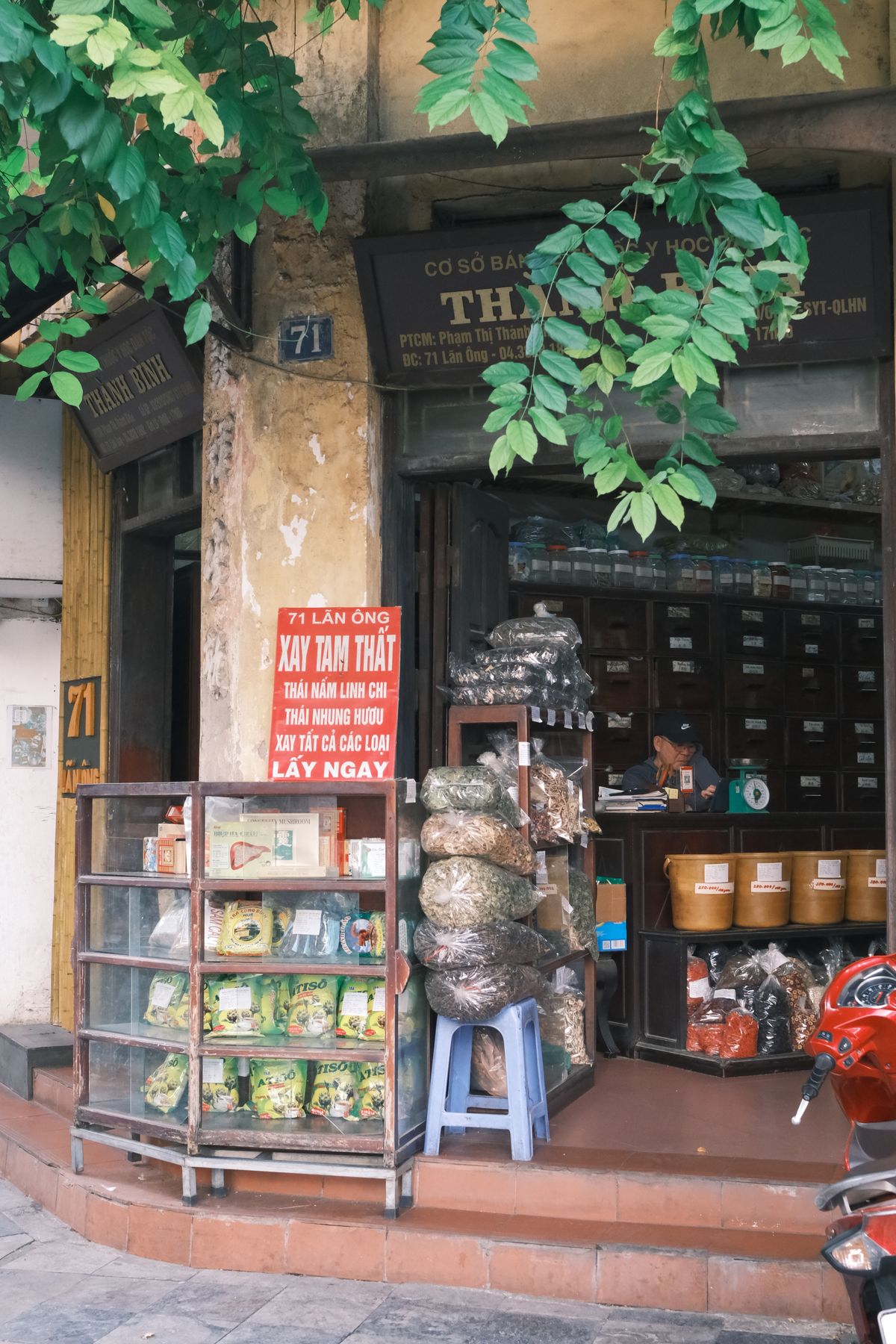
A proper Hong Kong snake soup shop doesn't look like a restaurant. It looks like a mash-up of a Chinese medicine hall and a dai pai dong. Wooden cages of live snakes line one wall (traditionally, though most shops have shifted to pre-processed meat), stacks of dried herbs sit on shelves, and there's usually an old wooden signboard hanging above the door with the shop's name in bold gold characters.
The most legendary name is She Wong Lam (蛇王林) in Sheung Wan — founded well over 130 years ago and once the first specialist snake shop in Hong Kong. She Wong Lam sadly closed in 2018, marking the end of an era for many Hongkongers who had grown up eating there. A handful of other veteran shops around Sham Shui Po and Sheung Wan still operate today, holding on to a craft the city hasn't quite figured out how to save.
The industry that's slowly disappearing
In the 1980s, more than a hundred shops in Hong Kong specialised in snake soup. Today, that number has dwindled to around twenty. The reasons are painfully modern: soaring rents in old districts, the retirement of veteran snake handlers with no successors, tightening supply chains, and a younger generation with little appetite for the dish or the profession. The work is technical, dangerous, and unglamorous. Removing meat from a thin snake's ribcage is a hand skill that takes years to learn.
That's why every visit to a surviving snake soup shop feels a little like witnessing a slow-motion goodbye. Like dai pai dong open-air food stalls and Hong Kong's disappearing neon signs, snake soup is one of those pieces of Cantonese street life that Hong Kong is losing faster than it realises.
How to eat it like a local
Order a small bowl to start. Sprinkle a pinch of chrysanthemum petals into the soup — they float on top like tiny yellow suns. Scatter a small handful of thin rice crackers so they crunch through the silky broth. Take a sip. If it's your first time, you'll notice three things: the soup is thick without being heavy, the meat is delicate and threadlike, and there's a warm sweetness at the back that isn't sugar — it's ginger and tangerine peel doing their quiet work.
Locals sometimes finish the meal with a slice of glutinous rice cake or a small dish of pork liver on the side. Then they wrap their scarf a little tighter and walk back into the winter with the inside of their body glowing.
Why it still matters
Snake soup is one of those Cantonese traditions that carries something bigger than the food itself. It's a link to a Hong Kong where old crafts had their own storefronts, where seasonal eating was a rhythm not a marketing angle, and where a family could run one specialised business for a hundred years. Every bowl is a small vote for that older, slower Hong Kong.
If you're in the city this winter and you've never tried it, find a shop that's been around for decades. Order the bowl. Ask the auntie behind the counter what makes theirs different from the shop across the street. She'll tell you. That conversation is half the reason to go.
📖 Related Articles
👉 Shop Cantonese Guy — Modern Streetwear for the Global Cantonese Community