

The Pacific Northwest's largest Cantonese community didn't arrive — it built itself. Over 140 years, generations of Cantonese speakers turned a few muddy blocks of Vancouver into Canada's largest Chinatown, and later transformed the suburb of Richmond into the most concentrated Cantonese diaspora hub outside Asia.
1886: A Chinatown Born With the City
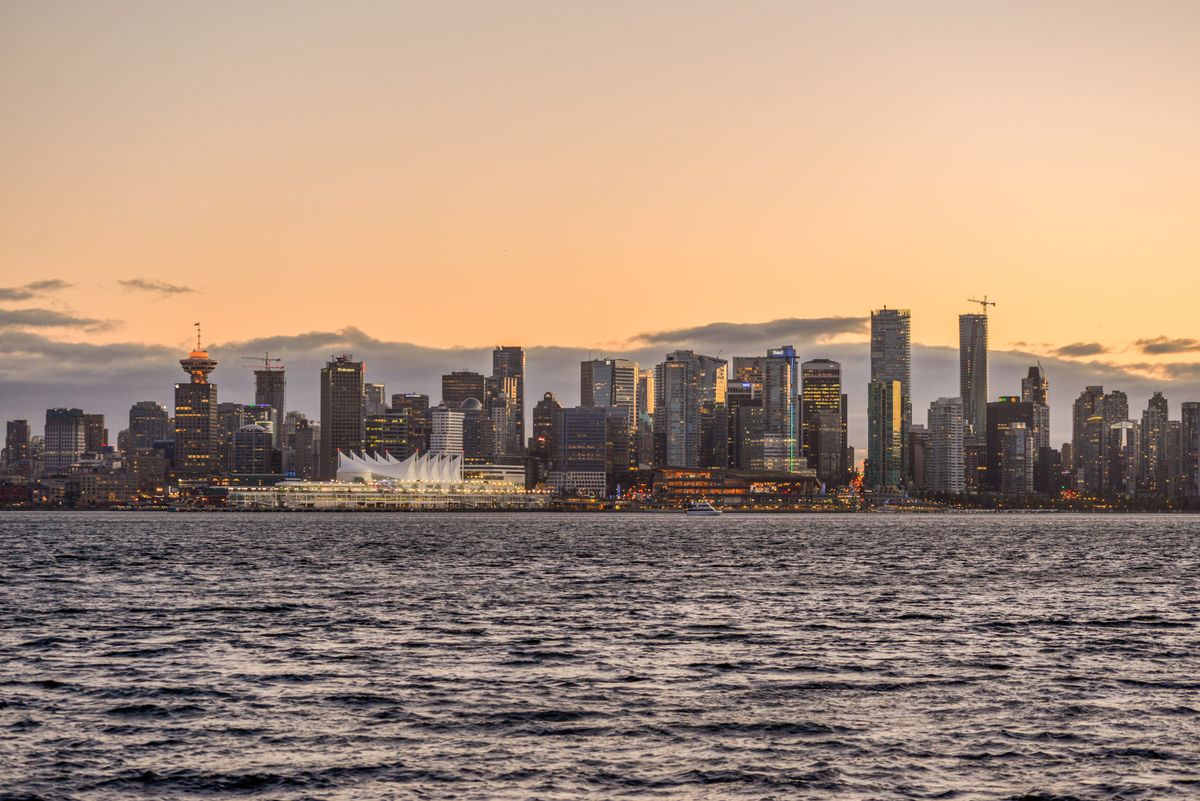
Vancouver was incorporated as a city in 1886. In the same year, with around 90 Chinese residents living near the waterfront, a small cluster of shops and lodgings emerged on Dupont Street (renamed East Pender Street in 1907). It was the seed of what would become Canada's largest and most enduring Chinatown.
Most of those early arrivals were Cantonese — specifically Taishanese (台山) — who had come north from California or directly from the Pearl River Delta after work dried up on the U.S. transcontinental railroad. Many arrived to build the Canadian Pacific Railway, the project that physically stitched Canada together. By the 1890s, the Chinatown along Dupont Street between Carrall and Columbia had grown to more than a thousand residents, almost entirely Cantonese-speaking.
The Head Tax and the Exclusion Era
Canada's treatment of its early Cantonese settlers mirrored the United States. The Chinese Head Tax — a fee charged only to Chinese immigrants — was introduced in 1885 and raised repeatedly until it reached $500 per person in 1903, equivalent to about two years of a labourer's wages. It was followed by the Chinese Immigration Act of 1923, often called the Exclusion Act, which essentially halted Chinese immigration to Canada until it was finally repealed in 1947.
Throughout those decades of legal hostility, Vancouver's Chinatown turned inward to survive. Family associations, clan halls, herbal medicine shops, Cantonese opera societies and the Mon Keang Chinese school all kept the community functioning. Like the early Cantonese pioneers of San Francisco, Vancouver's first generations built a self-contained world inside a country that wanted them gone.
Sun Yat-sen and Vancouver's Revolutionary Chapter
Vancouver played a small but real role in modern Chinese history. Dr. Sun Yat-sen, the revolutionary who would help end the Qing dynasty, visited the city multiple times between 1897 and 1911 to raise funds among Cantonese supporters for what became the 1911 Revolution. The donations from Pender Street shopkeepers and Taishanese labourers literally helped fund the birth of Republican China.
That history is commemorated in the Dr. Sun Yat-Sen Classical Chinese Garden, built in Vancouver's Chinatown in 1985–86. It was the first authentic Ming Dynasty-style scholar's garden ever constructed outside China, built in the traditional way by craftsmen flown in from Suzhou using imported materials. National Geographic later named it one of the world's top city gardens.
The Hong Kong Wave: 1980s and 1990s
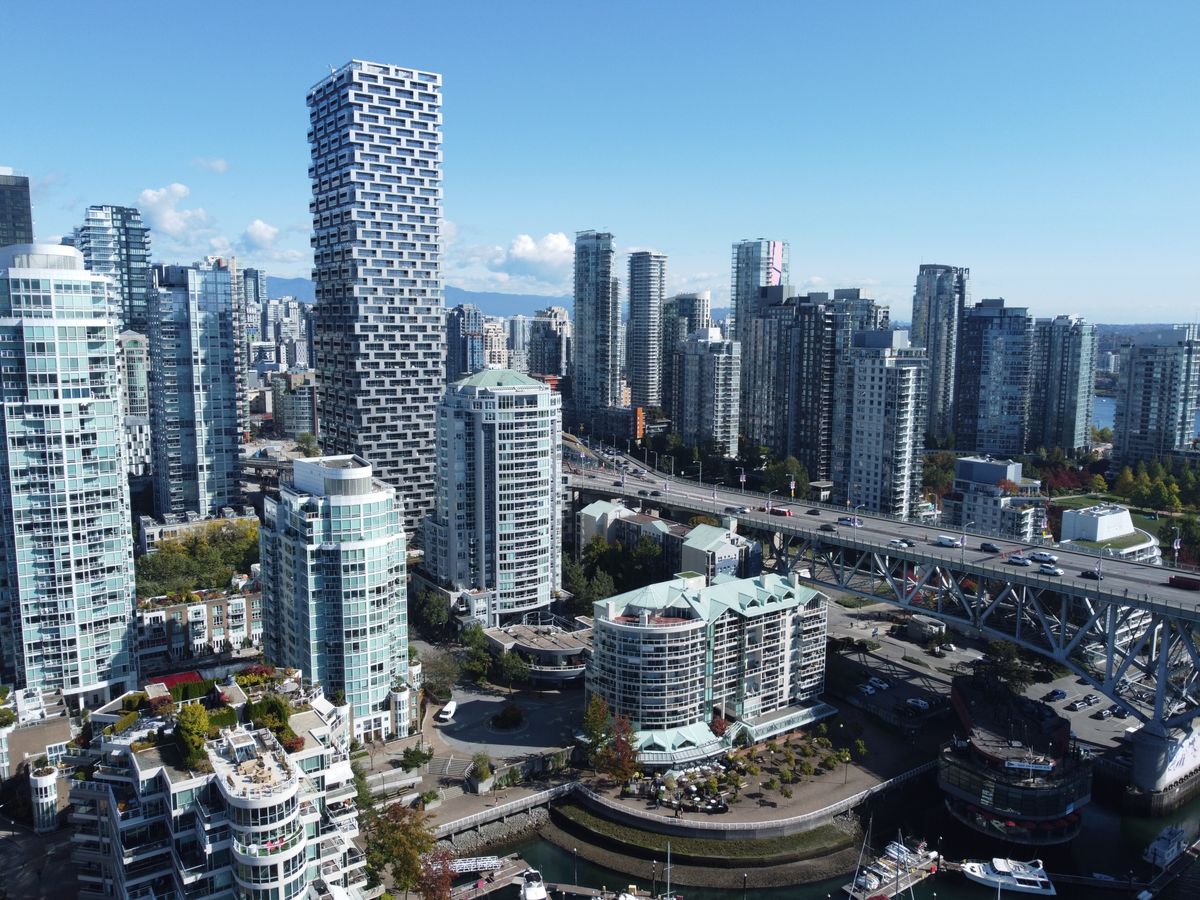
The second great Cantonese chapter for Vancouver began in the run-up to the 1997 handover. Anxious about Hong Kong's political future, tens of thousands of middle-class Hongkongers chose Vancouver as their landing place — drawn by Canada's investor-immigration programs, a familiar Commonwealth legal system, and an existing Cantonese community ready to absorb them.
The numbers reshaped the city. Cantonese became one of the most-spoken non-English languages in Metro Vancouver. New malls, plazas and noodle shops opened to serve the arrivals. Many of those families settled not in old Chinatown but in Richmond, the flat island suburb just south of the airport. Richmond became — and remains — one of the most Chinese-majority cities in North America, with Cantonese still the dominant heritage dialect in much of the original wave.
T&T, Aberdeen Centre and the New Cantonese Suburbia
T&T Supermarket, the Asian grocery chain that now operates across Canada, was founded in Vancouver in 1993 by Jack and Cindy Lee. From its earliest stores it catered to the wave of Hong Kong families with familiar brands, live seafood, char siu counters and clay pots. The chain is now headquartered in Richmond and has become one of the most visible Cantonese-built businesses in the country.
Across Richmond, Hong Kong-style food courts at Aberdeen Centre, Parker Place and Yaohan Centre serve milk tea, beef brisket noodles, claypot rice and BBQ meats that are widely considered some of the most authentic Cantonese cooking outside of Hong Kong itself. For many diaspora kids who grew up in Vancouver, the food scene is the most direct daily link to their parents' Hong Kong.
Chinatown's Modern Struggle
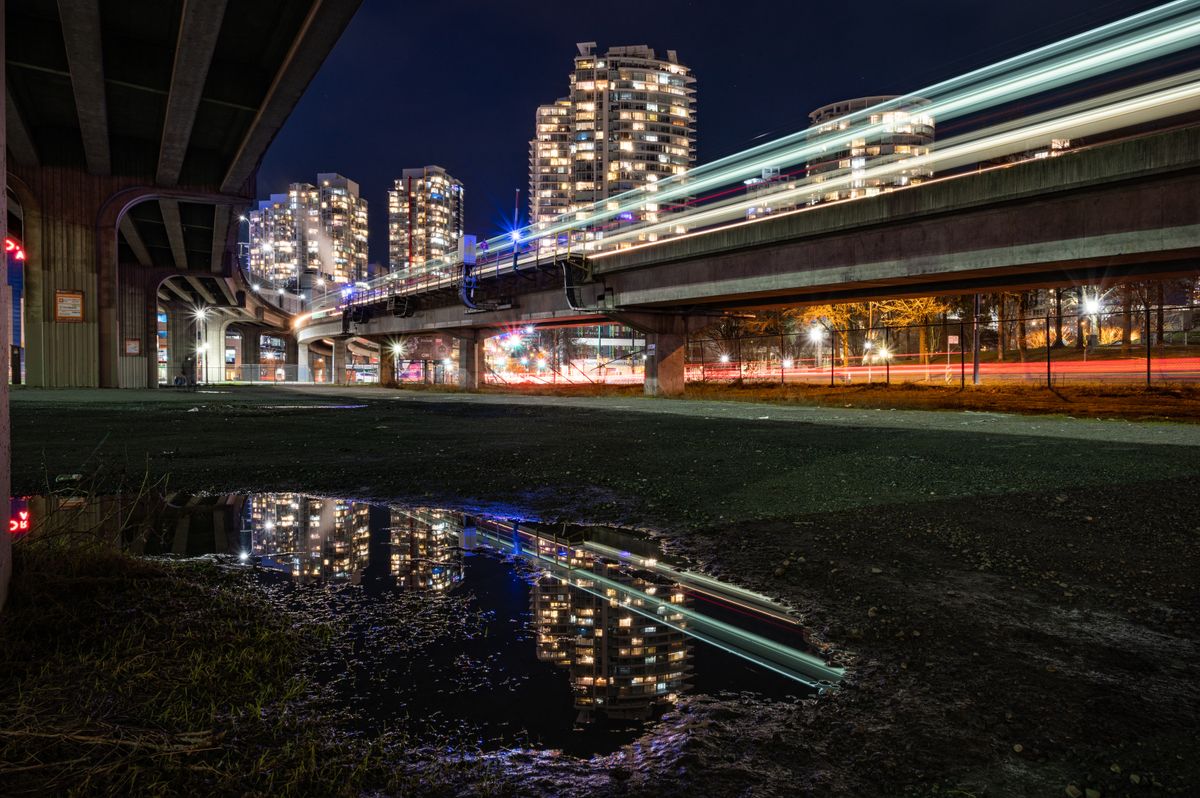
Pender Street's original Chinatown has had a harder modern history. As the centre of gravity shifted to Richmond, the old neighbourhood lost businesses and residents, and many heritage shopfronts now sit closed or repurposed. Community groups, the city, and the Chinatown Foundation have spent the past decade fighting to preserve what remains — the clan association buildings, the old apothecaries, the family-run BBQ shops — and to recognise Chinatown's status as a living heritage site.
The story of Vancouver Cantonese identity now plays out across both addresses: the historic blocks around Pender, where the diaspora began, and the newer Richmond strip malls, where the most recent generation built its version of home.
Why It Matters
Vancouver's Cantonese community is one of the great migration stories of the Pacific — a 140-year chain that runs from Pearl River Delta villages, through head taxes and exclusion laws, into modern multicultural Canada. Like the Cantonese diaspora of London and Toronto, it shows how one Chinese language community has quietly shaped the cultural fabric of cities far from Guangdong.
📖 Related Articles
👉 Shop Cantonese Guy — Modern Streetwear for the Global Cantonese Community